Sustainable Solutions: How E-Waste Recycling Services Are Saving Our Planet
Electronic waste presents serious dangers to the environment, as discarded electronics often contain toxic materials. Such dangerous compounds can pollute soil and water supplies, resulting in widespread environmental harm. Electronic waste recycling programs offer an effective remedy. They not only recover valuable resources but also mitigate pollution. Gaining insight into how these programs function and affect local communities is critical. The journey towards effective e-waste management raises critical questions about individual responsibility and collective action. What steps can be taken next?
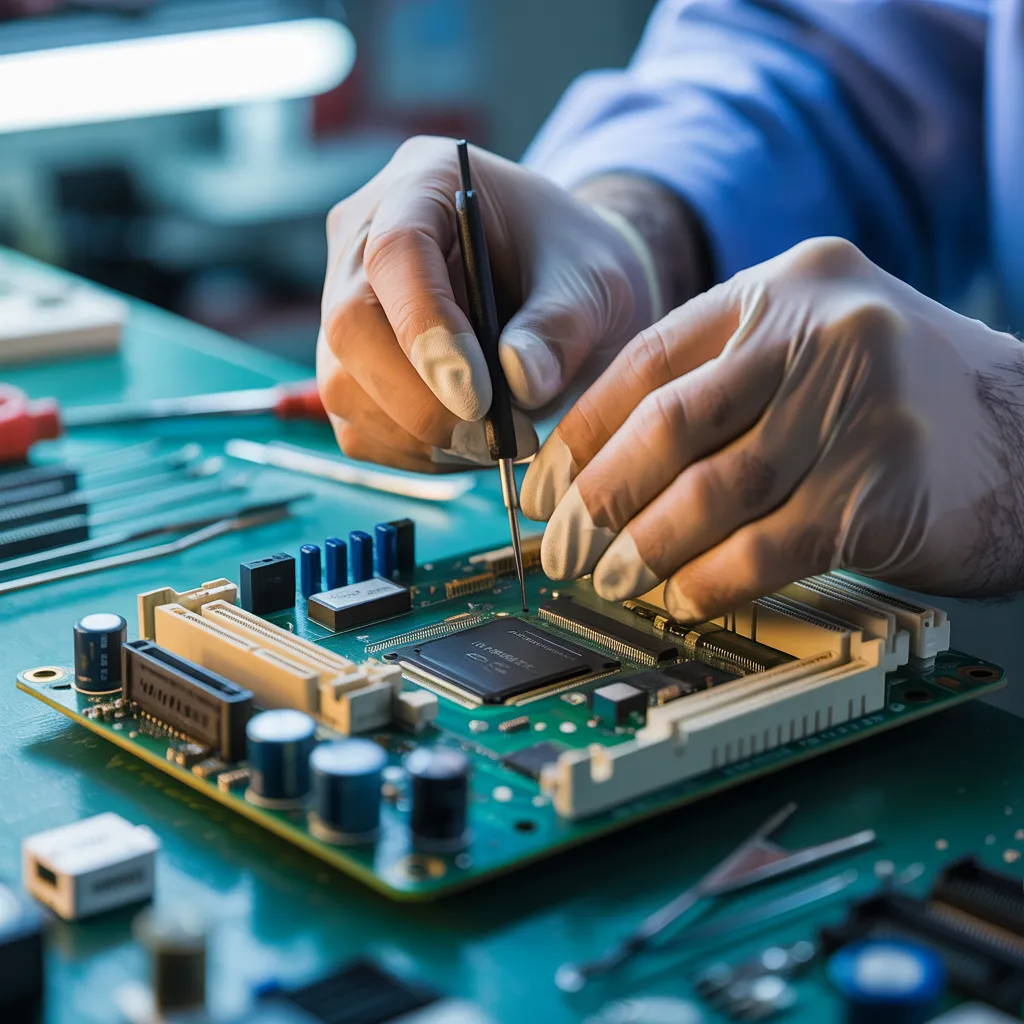
The Reasons E-Waste Is Damaging to the Planet
Even though technology enhances our daily lives, e-waste creates considerable environmental hazards. Disposed electronic equipment, often containing toxic substances including lead, mercury, and cadmium, can leach toxins into the surrounding soil and water Continue reading supply, creating hazards for ecosystems and human health. The swift progression of technology results in increased consumer turnover of electronics, intensifying the growing problem of e-waste.
Landfills, already overwhelmed with refuse, find it difficult to handle the increasing amounts of discarded devices. Burning, an alternative disposal approach, discharges toxic contaminants into the air, worsening overall air quality. In addition, improper recycling practices can lead to the exportation of e-waste to developing countries, where laborers may dismantle devices without adequate safety measures, exposing themselves to dangerous substances. This pattern of negligence and mismanagement highlights the critical demand for eco-friendly recycling alternatives that can reduce the damaging impact of electronic waste on the environment.
What Is E-Waste and Why Does It Matter?
E-waste, also referred to as electronic waste, comprises discarded electronic devices including smartphones, computers, and televisions that have exceeded their operational lifespan. This rapidly expanding waste category is noteworthy because of its swift buildup, fueled by innovation in technology and shifting consumer habits. As growing numbers of electronics become outdated, the toll on the environment grows more severe, with dangerous elements including lead, mercury, and cadmium posing risks to ecosystems and human health.
The significance of tackling e-waste extends beyond minimizing these risks to recognizing the valuable resources it holds. Critical metals and rare earth components can be reclaimed and recycled, decreasing the reliance on mining and protecting natural resources. With a thorough understanding of e-waste and its impact, people and organizations alike can make educated decisions about disposal and recycling, helping to build a more sustainable world. Proper management of e-waste is essential for fostering a circular economy and promoting environmental stewardship.
How E-Waste Recycling Works
The recycling of e-waste encompasses a structured approach aimed at reclaiming useful resources while reducing harm to the environment. Initially, discarded electronics are retrieved and sent to specialized recycling facilities. Upon arrival, the devices undergo thorough sorting to distinguish harmful elements from reusable resources.
Subsequently, specialists break down the devices, extracting glass, metals, and plastics. This process is vital, as it makes possible the retrieval of rare metals like copper, gold, and silver, which can be recycled in new electronics.
Afterward, the separated materials are processed through advanced techniques, such as chemical treatments and shredding, to refine them for reuse.
Finally, the residual dangerous materials are managed properly, following environmental guidelines. This multi-step approach not only preserves valuable resources but also reduces the dangers connected to improper e-waste disposal, guaranteeing a greener future for the consumption of electronics.
Why E-Waste Recycling Matters for You and Your Community
Though many people are unaware, the benefits of e-waste recycling reach well past personal use to meaningfully influence entire communities. By responsibly disposing of electronic waste, individuals play a role in creating a cleaner environment, minimizing toxic components that can contaminate soil and water. This proactive approach works to protect local ecosystems and advances public health.
Furthermore, electronic waste recycling supports job creation within communities. Community recycling operations commonly require workers for numerous tasks, from collection to processing, consequently creating meaningful employment to area workers. This not only enhances the community economy but also inspires community dedication to sustainable efforts.
Additionally, understanding of e-waste recycling is capable of inspiring community outreach programs, enabling residents to adopt eco-friendly choices. By participating in e-waste recycling programs, individuals promote a culture of sustainability, inspiring others to follow suit. All things considered, the combined impact of these actions can create a more sustainable and conscientious community.
How to Choose an E-Waste Recycling Service
Selecting the best e-waste disposal service is essential for making sure that e-waste is handled in a responsible and sustainable manner. Initially, people should verify the provider's accreditations, such as e-Stewards or R2, which indicate conformance to industry standards for safe recycling practices. Additionally, it is advisable to evaluate the company's credibility by reviewing feedback and looking for advice from dependable sources.
Furthermore, clarity in the recycling process is essential. A reliable company should provide clear information about the manner in which e-waste is managed and what becomes of the materials. Furthermore, evaluating the range of services offered can be beneficial; certain providers may offer collection services or present rewards for recycling.
Ultimately, understanding local regulations regarding e-waste disposal can help inform the selection process. Through focusing on these key aspects, individuals can contribute to successful electronic waste reduction while also advancing green and responsible behaviors.
How You Can Take Part in E-Waste Recycling?
Participating in e-waste recycling may begin at the local level, where local recycling facilities frequently offer essential services for safe disposal. Furthermore, taking part in community awareness campaigns can strengthen efforts to educate others about the importance of proper e-waste handling. Such efforts not only promote sustainability but also cultivate a collective sense of accountability for the environment.
Local Recycling Centers
Numerous regional recycling hubs serve a vital function in electronic waste recycling, providing communities with accessible options to handle electronic waste in a responsible manner. These centers accept a wide array of electronic equipment, including aging computers, cell phones, and television sets, making certain that hazardous materials are managed safely. Most stations have knowledgeable personnel who help individuals navigate appropriate disposal procedures, emphasizing the importance of recycling over landfilling. Furthermore, various hubs coordinate drop-off events or designated collection days, allowing residents to take part with ease. By utilizing these local services, residents support a circular economy, lowering environmental harm and encouraging sustainable habits. Engaging with these centers allows communities to address e-waste pollution proactively.
Community Education Campaigns
Community groups, educational institutions, and companies can collaborate to host events that promote e-waste collection drives. Dedicated participants can take a leading part in promoting knowledge, handing out educational content, and interacting with the surrounding community. By means of these joint initiatives, community members grow more knowledgeable and inspired to dispose of their electronics responsibly, thus playing a meaningful role in creating a more environmentally responsible future.
Common Questions and Answers
What Kinds of Electronics Can Be Recycled?
A wide range of electronics may be recycled, including computers, smartphones, televisions, laptops, gaming consoles, and printers. Furthermore, ancillary devices such as batteries, keyboards, and mice are equally appropriate for recycling, supporting sustainable environmental practices.
Is There a Cost Associated With E-Waste Recycling?
Indeed, e-waste recycling can include costs, depending on the facility. Some facilities apply costs for gathering or treatment, while other facilities offer free services, often subsidized by the proceeds from salvaged materials.
How Can Businesses Benefit From E-Waste Recycling?
Businesses can benefit from e-waste recycling by reducing disposal costs, improving their green reputation, meeting compliance standards, reclaiming useful materials, and possibly earning income through resale, thus supporting a greener and more sustainable operational framework.
What Becomes of Data on Recycled Devices?
Information on refurbished equipment is commonly completely removed or eliminated during processing. This confirms confidential data stays protected, preventing unauthorized access while enabling resources to be reused safely and responsibly within new applications.
Is It Possible to Recycle Damaged Electronics?
Indeed, non-functioning electronics are able to be recycled. A wide range of collection points receive damaged devices, guaranteeing proper disposal and retrieval of recoverable materials. Doing so helps reduce environmental impact while supporting responsible recycling practices to address e-waste properly.